The Rise of Nuclear Verdicts
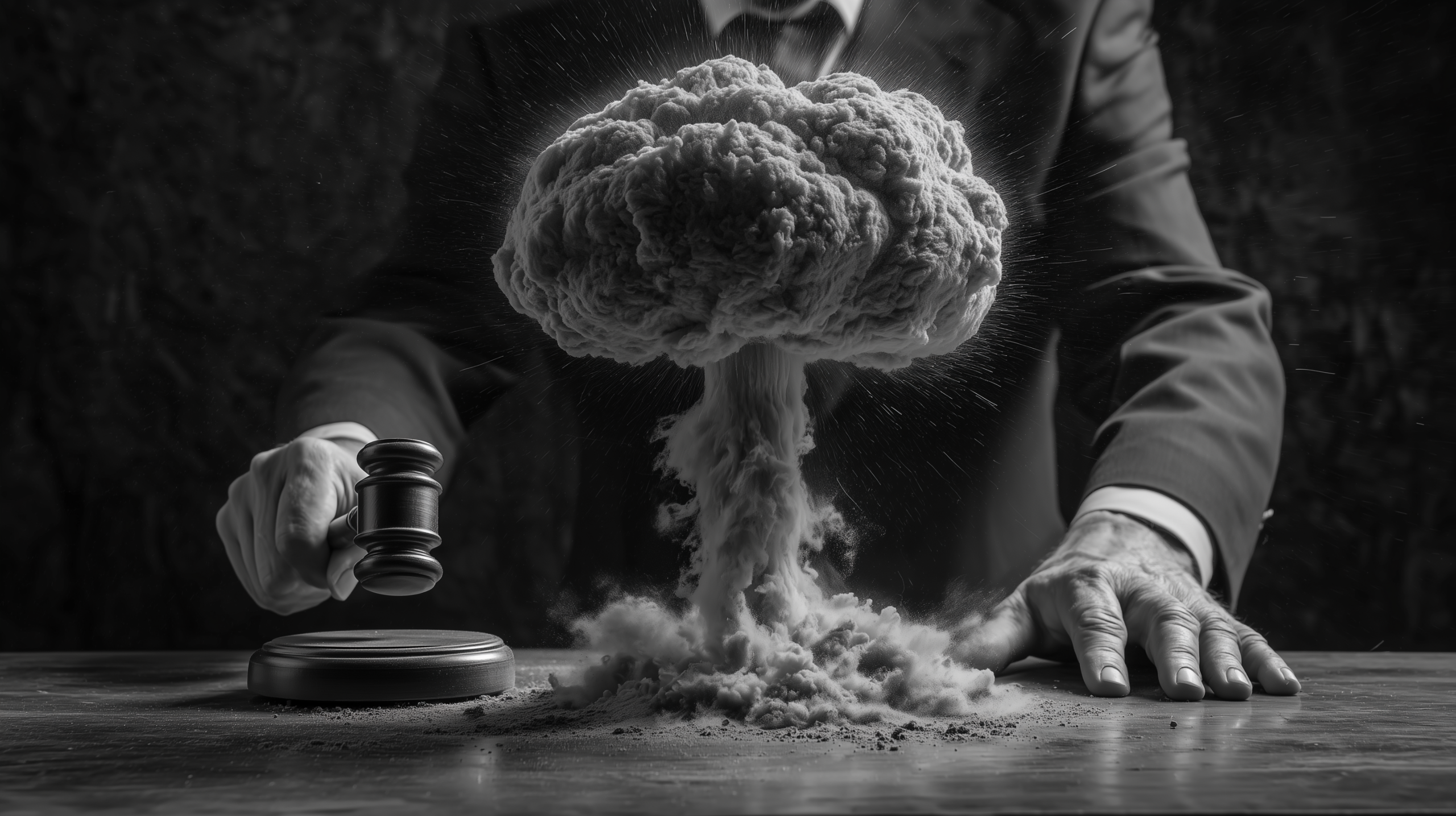
Mega‑verdicts have become a defining feature of the liability landscape. In 2024, there were 135 verdicts exceeding $10 million-up 52% from the prior year-with total awards topping $31.3 billion and a median verdict exceeding $51 million. These numbers reflect a broader societal trend toward large awards, often influenced by anti‑corporate sentiment and third‑party litigation funding.
Such verdicts send ripples through the insurance ecosystem. They inflate plaintiff demands in settlements, raise reinsurance costs and strain carriers’ capital. Without tools to anticipate and mitigate these risks, insurers face unpredictable losses.
Drivers of Nuclear Verdicts
Several factors contribute to the proliferation of nine‑ and ten‑figure awards:
- Third‑party litigation funding that encourages prolonged litigation and higher demands
- Aggressive attorney advertising and social narratives that foster anti‑corporate sentiment
- Sympathetic juries influenced by social media and high‑profile cases
- Legal system abuse and broad tort doctrines that expand liability
These elements combine to create an environment where juries feel empowered to levy punitive damages far beyond economic losses.
Why Traditional Defense Strategies Fall Short
Conventional defense tactics focus on trial preparation and damage control. While essential, they often come too late to prevent runaway verdicts. Without early insight into which cases have nuclear potential, carriers may allocate resources inefficiently or miss opportunities to resolve matters before juries hear inflammatory evidence.
Moreover, some insurers still underestimate the influence of social trends, relying on outdated assumptions about jury behavior. As verdict sizes climb, a proactive approach is essential.
How Analytics Mitigate Verdict Risk
Predictive analytics can identify cases with characteristics historically associated with large awards, such as catastrophic injuries, multiple claimants, sensitive venues or high‑risk industries. Models also assess social factors like prevailing narratives and community sentiment.
Armed with these insights, carriers can explore early settlement, alternative dispute resolution or targeted jury consulting. Mitigation strategies may include structuring settlements, seeking mediation or adjusting reserves to reflect the heightened risk.
Industry Insight: The Cost of Social Inflation
Third‑party litigation funding is projected to surpass $18.9 billion in assets by 2025, with more than half of that funding taking place in the United States. The same study notes that social inflation is adding about 7.8 points to commercial liability industry loss ratios. These macro forces mean that nuclear verdict risk is not simply a litigation issue but a broader financial challenge.
By investing in analytics and early intervention strategies, insurers can blunt the impact of social inflation and protect profitability.
How Canotera Reduces Verdict Risk
Canotera’s platform flags cases with high nuclear verdict potential based on venue, injury severity, claimant demographics and social trends. It provides actionable risk scores and recommended strategies-such as mediation or structured settlements-to reduce exposure.
By integrating these insights into claims workflows, carriers can address nuclear verdict risk proactively rather than reacting after a verdict makes headlines.